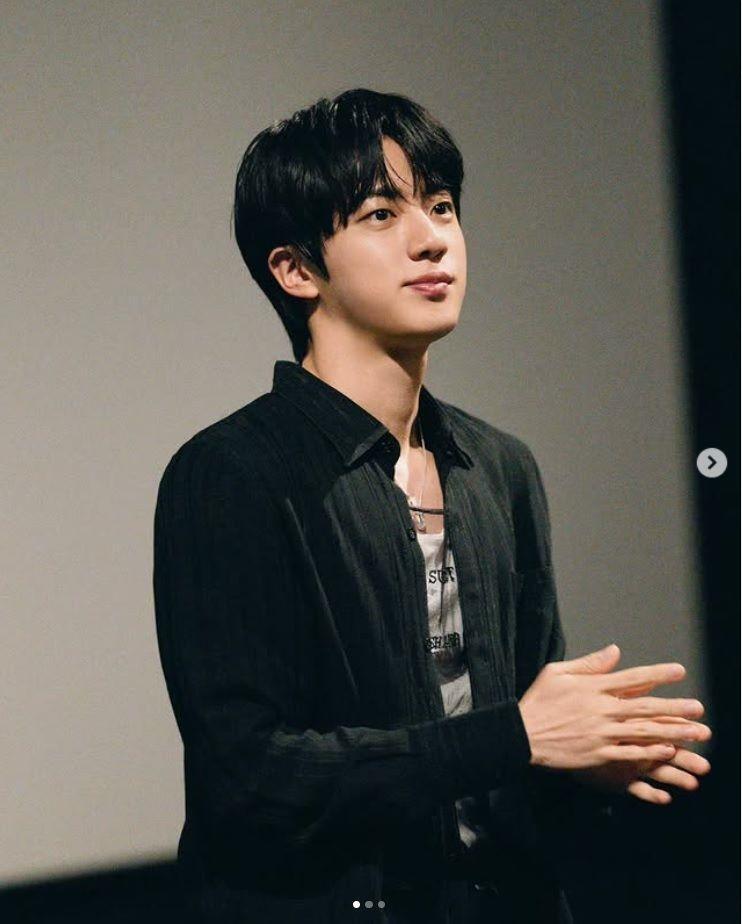
This startling revelation comes just weeks after the product “IGIN,” for which Jin serves as ambassador, was called out on a national petition site. Consumers raised serious concerns about misleading labeling practices, suggesting that some products did not accurately reflect their origins, potentially deceiving buyers. The allegations highlighted a troubling discrepancy—while foreign ingredients were used in the production process, the online marketing materials claimed the products were locally sourced. This situation has sparked outrage among fans and consumers alike, leading to heated discussions across social media platforms.
In a powerful response to the brewing scandal, JINi’s Lamp asserted their commitment to compliance with existing regulations. They emphasized that all products had undergone rigorous checks by the Ministry of Agriculture, Food and Rural Affairs, as well as the Ministry of Food and Drug Safety, with no legal violations found. The company further stated that detailed information regarding the origins of their products was clearly labeled, and acknowledged a temporary error on their sales page concerning the display of product details, which they swiftly corrected.
The Jeonju District Prosecutors’ Office in Hongseong has now confirmed that, after comprehensive investigations, it found the evidence insufficient to proceed with criminal accusations against the involved parties. In a statement, they elaborated that the labeling on the products was accurate enough to prevent any misunderstanding, categorizing the supposed violations as challenging to substantiate.
This turn of events raises significant questions about the practices of celebrity-branded products and the responsibilities of public figures when it comes to transparency and consumer trust. Jin, already a global figure as part of the mega-popular BTS, is under scrutiny not just for his music career but also for his business endeavors. The implications of this incident could resonate far beyond South Korea, given BTS’s international fanbase and the ever-watchful eyes of both media and consumers.
Jin, known for his engaging presence and culinary interests, collaborated with Baek Jong-won, a respected figure in the culinary world, to bring forth a brand that they hoped would revolutionize the beverage scene. However, had the allegations held any merit, it could have seriously tarnished their reputations and the integrity of their brand. The swift legal resolution is a relief not only for the involved parties but also for fans who passionately endorse Jin’s ventures.
As the story continues to develop, many are left wondering how the public will perceive the transparency of branded goods and the responsibilities of those they idolize. The tension between celebrity influence and ethical business practices has never been more pronounced, and this incident serves as a clarion call for greater accountability.
In the wake of this incident, the conversation surrounding food and beverage labeling standards is louder and more urgent. With the greater public ramifications of this case, consumers have a renewed sense of vigilance regarding the products they purchase, driven by popular figures. Jin’s escape from legal repercussions might soothe initial concerns, but the repercussions of consumer trust and brand credibility are far from settled.
While it remains important for all companies, especially those associated with celebrity endorsements, to ensure that their marketing and product transparency is above reproach, Jin and Baek Jong-won may need to step up their commitment to educating fans about sourcing and production practices. Ultimately, the outcome of this case could pave the way for setting higher standards in the industry and instilling consumer confidence moving forward.
For now, the dust seems to have settled on this case, but as events unfold, there is a palpable sense of anticipation regarding further developments. Fans and consumers alike are left waiting to see how this situation will evolve, and whether it might redefine the intersection of celebrity culture and responsible consumerism in the future. Stay tuned for updates as we continue to follow this significant story.